10 Cute Crochet Animal Ideas
Find 10 cute crochet animal ideas with free designer pattern links, construction notes, yarn guidance, and tips for choosing your next amigurumi project.

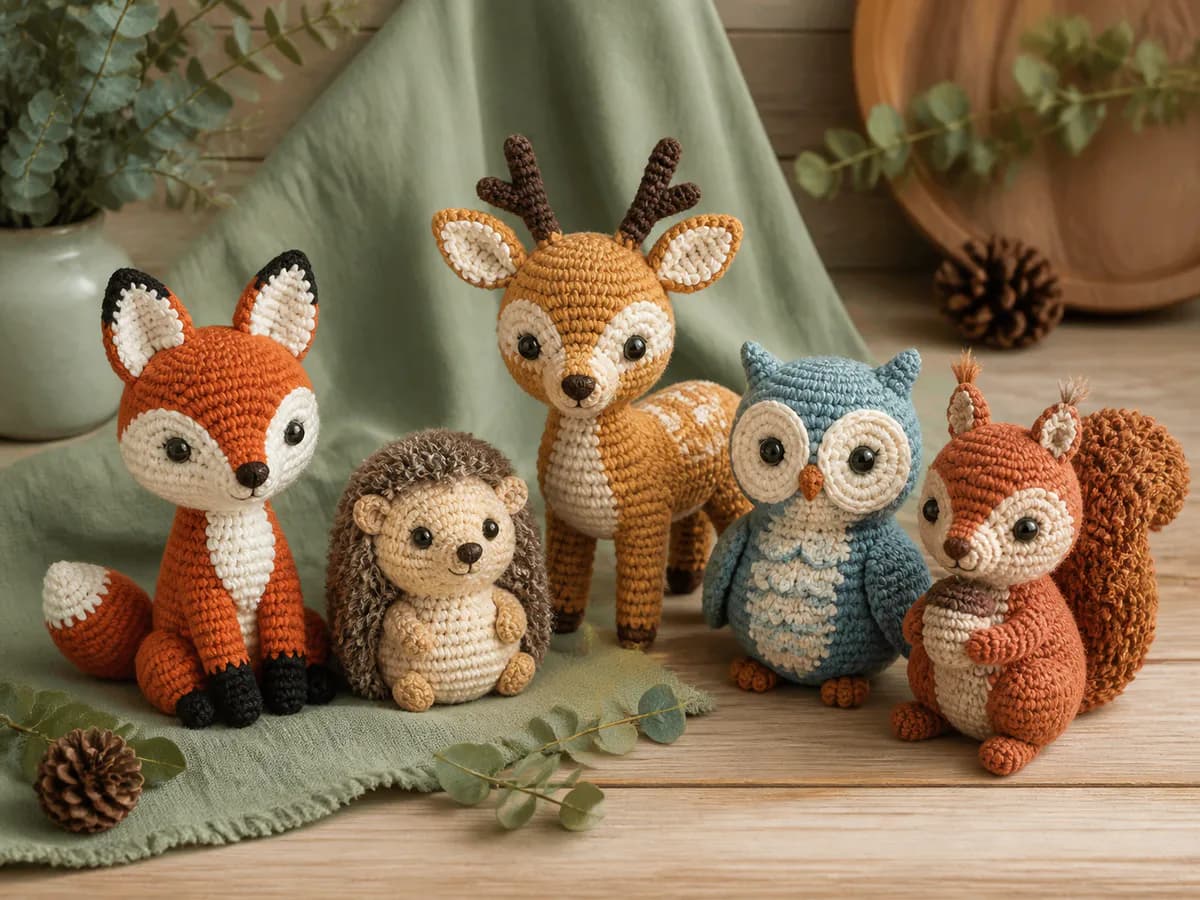
Choosing a crochet animal is easier when you know what the project involves. These 10 cute crochet animal ideas each have a matching designer pattern to open, plus construction notes to check before starting. The selection includes compact no-sew shapes and projects with more facial finishing or assembly.
Each linked page offered free written instructions when checked on September 26, 2026; some also sell an optional printable PDF. Follow the original page for complete instructions, materials, updates, and terms. The woodland image above is inspiration: use each designer's own photos to judge the exact finished shape.
Choose by the skill you want to practice
| Your next skill | Projects to compare | Check first |
|---|---|---|
| Tracking spiral rounds | Chick or whale | First-stitch marker and loop-specific details |
| Working features as you crochet | Bunny, cat, frog, or puppy | Special stitches and feature placement |
| Positioning a muzzle or ears | Bear or elephant | Assembly photos and matching paired pieces |
| More involved small-project shaping | Fox | Designer difficulty rating and color changes |
“No-sew” describes the construction, not a guarantee of no embroidery, yarn tails, or special stitches. If you have not made a stuffed shape before, start with the foundations in our beginner amigurumi guide.
10 crochet animal projects with pattern links
1. Round chick
Try Stitch by Fay's No-Sew Chick for a rounded animal with an embroidered beak and wings worked into the crochet. Its front-loop wing placement leaves loops to use later, making it a useful project for practicing loop awareness. Read the yarn and finishing notes before choosing it for a child; decorative tufts and plastic eyes need separate suitability decisions.
2. Pocket whale
Stitch by Fay's No-Sew Whale uses DK yarn in its listed version and works the fins and tail into the construction. Choose it to practice small shaping details without sewing several separate limbs. Pay attention to the front-loop and back-loop sequence around those features rather than assuming every round uses both loops.
3. Long-ear rabbit
Snuggle Bunny by Nicole Chase offers two ear options and a no-sew construction rated advanced beginner by the designer. Compare its versions if you like floppy ears and want to see how yarn choice changes their appearance. Follow the materials for your selected version rather than mixing the chenille and fluffier-yarn examples into one supply list.
4. Brown bear
Binky the Bear by Nicole Chase joins the limbs into the body while leaving the ears and snout to sew. The listed yarn is worsted weight, and brown is a color option within a comparable yarn range. Choose this project for practice positioning a muzzle before permanently fixing the facial details.
5. Little fox
Pocket Fox by Yarn Society provides a compact chenille fox with written instructions and video help. The designer rates it intermediate, so its small size should not be mistaken for a first-ever crochet project. Compare the source photos and color-placement instructions before starting; our inspiration image is not an exact sample of this design.
6. Mini turtle
Stitch by Fay's No-Sew Turtle crochets the head and flippers into the body rather than sewing them on afterward. Its listed DK cotton version makes individual stitches easier to inspect than they may be in fluffy yarn. Read the left/right flipper placement carefully so both sides face the intended direction.
7. Green frog
Explore Pocket Frog by Yarn Society for a small chenille frog with an embroidered smile and features formed as you work. The written instructions and video help when following its bobble details. Use the designer's eye positions instead of transferring a spacing count from a different animal.
8. Little cat
Stitch by Fay's No-Sew Cat forms the ears and feet during the main construction and crochets the tail onto the body. The free page explains the special stitches and mentions an updated version, so confirm which instructions you are following. Start with the shown color arrangement; stripes would be a separate customization rather than a promised feature of this version.
9. Floppy-ear puppy
Pocket Pup by Yarn Society is an advanced-beginner no-sew design using super bulky chenille yarn, with video support available. It is an option for readers who prefer working features into the piece instead of sewing on several separate parts. Review its hardware and yarn requirements before deciding who the finished puppy is for.
10. Small elephant
Elliot the Elephant by Nicole Chase is rated advanced beginner and includes assembly guidance for its ears and trunk. The designer's listed worsted-weight version is approximately five inches tall sitting, so small does not mean a tiny keychain here. Choose it to practice positioning separate features and comparing both ears before completing their seams.
Buy materials for the selected pattern
There is no single hook, yarn weight, yardage, or finished size that fits this collection. The whale and turtle list DK versions, the bear and elephant use worsted, and several pocket animals use chenille. Substituting one for another can change the size, shape, and stitch visibility substantially.
Before buying supplies, copy these details from the one pattern you choose:
- Yarn weight, fiber, quantity, and every required color.
- Hook size and the designer's gauge or fabric guidance.
- Special stitches, color changes, and attachment steps.
- Finished measurements for that yarn version.
- Eye and nose method, stuffing, markers, and sewing tools.
Use our amigurumi yarn and hook guide to compare fabric density and stitch visibility. Keep a marker in the first stitch of spiral rounds, and write down the round where you stop.
Faces, attachments, and intended use
Decide who the project is for before choosing plastic eyes, noses, keychain fittings, or decorative tufts. For young children, favor embroidered details and assess the whole construction; embroidery alone is not a toy-safety guarantee. The CPSC toy guidance advises keeping toys with small parts away from children younger than three.
Our amigurumi face tutorial explains temporary placement and embroidered eyes, noses, and smiles. If you prefer a complete Crochet Nook animal with embroidered features, try the panda pattern, another option outside this ten-project selection.
Tips & troubleshooting
The project looks different from the Pin
Use the Pin to choose an animal idea, then follow the designer's images and instructions for the actual make. A different ear, muzzle, yarn, or assembly method changes the result. Do not combine appealing details from several patterns without planning the changes.
A no-sew feature round is confusing
Read the whole round before working it. Mark the feature positions and identify any unused loops that you return to later. Check the designer's process images or video before continuing with a count that no longer matches.
Stuffing shows through the fabric
Check the source hook guidance and whether the shape is overfilled. Test an appropriate hook adjustment on a small piece before restarting the animal. Pulling every stitch painfully tight is harder to reproduce than choosing tools that naturally make a firm fabric.
There is a paid PDF button on the designer page
Look for the free written-pattern section; the printable is often optional. Availability can change, so use our contact page to report a link that no longer provides the described instructions.
Frequently Asked Questions
Are these full patterns on this page?
This is a chooser with ten links to original designers' free written patterns. Complete rounds and construction photos remain on those pages, alongside updates and optional printables.
Which project is easiest for a beginner?
Compare the chick and whale if you already know basic amigurumi, then read their feature rows. Small projects can still use unfamiliar loop work. Practice a simple stuffed sphere first if counting spiral rounds is new to you.
Can I use the same yarn for all ten?
You can explore substitutions, but these designs use different yarns and hooks. Follow one source combination first for a more predictable scale. Do not carry its original measurements or yarn quantities over to an untested substitution.
Can I sell finished animals?
Check the individual designer's finished-item terms and applicable toy requirements. A free pattern link does not transfer copyright or give permission to copy its text, images, or charts.
Keep exploring
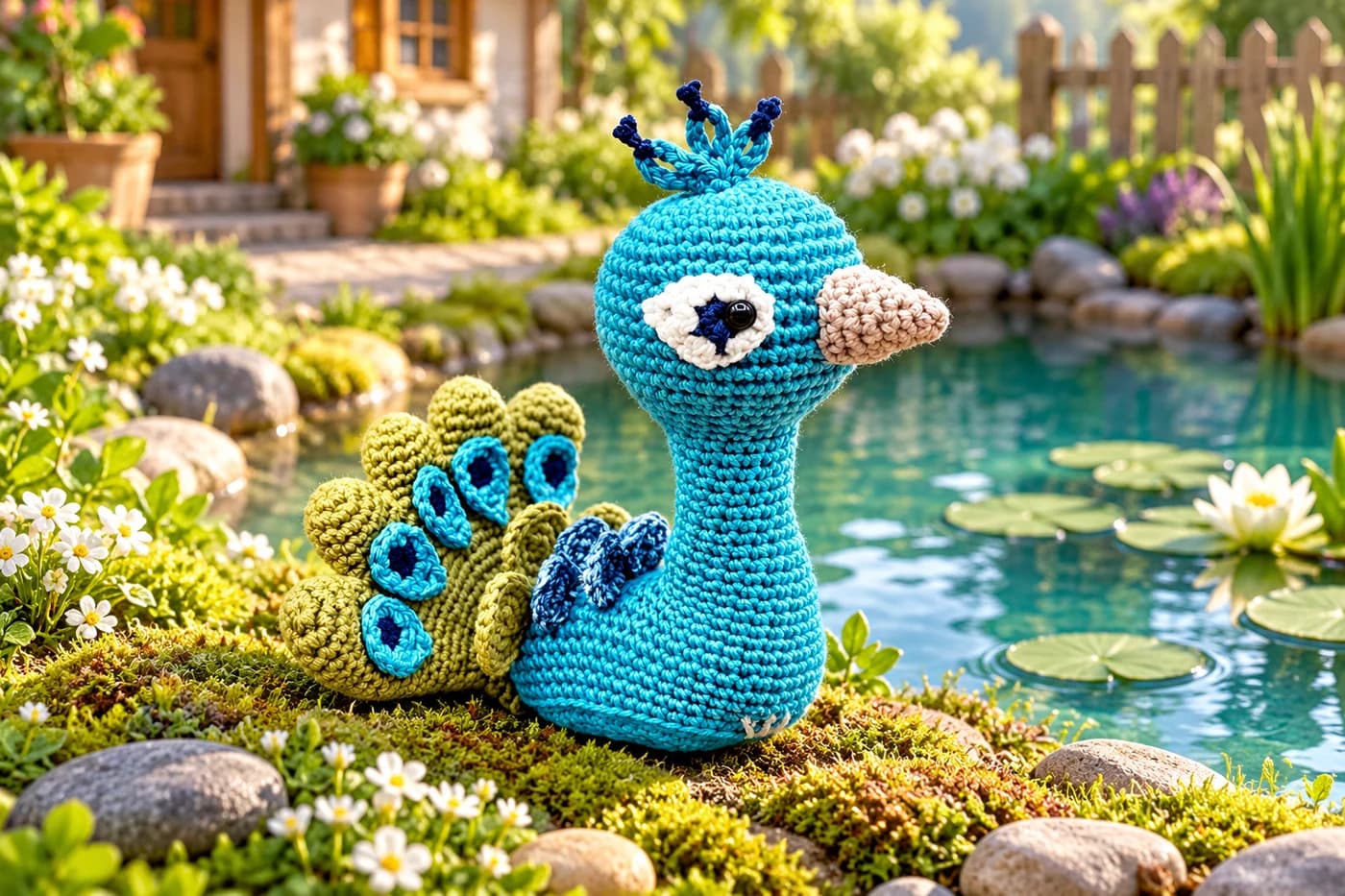
For a bird with several distinct construction stages, follow our free crochet peacock pattern. Eight numbered steps organize the head and body, five-piece fan tail, and feather details, with diagrams for the extension and tail join.
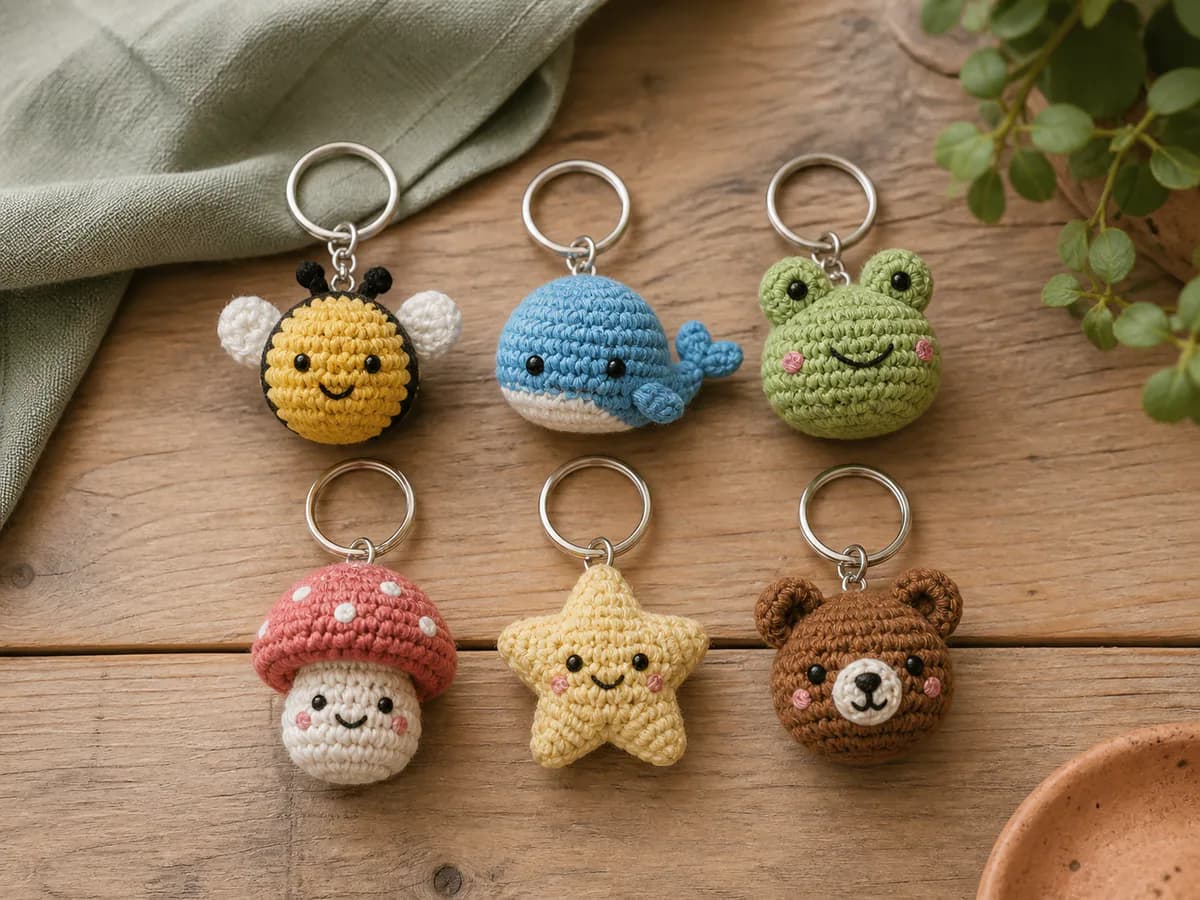
Our amigurumi beginner roadmap helps you choose by construction skill. For smaller finishing projects, browse the amigurumi keychain ideas, keeping their hardware and intended use in mind.
Essential crochet guides
Maker notes
Questions or finished-project notes?
Share what helped, ask about a step, or leave a thoughtful note for the next maker.
Loading maker notes...