How to Read a Crochet Pattern: Abbreviations Explained
Learn to read crochet patterns by decoding abbreviations, repeats, brackets, stitch totals, turning chains, rounds, and multi-size instructions.

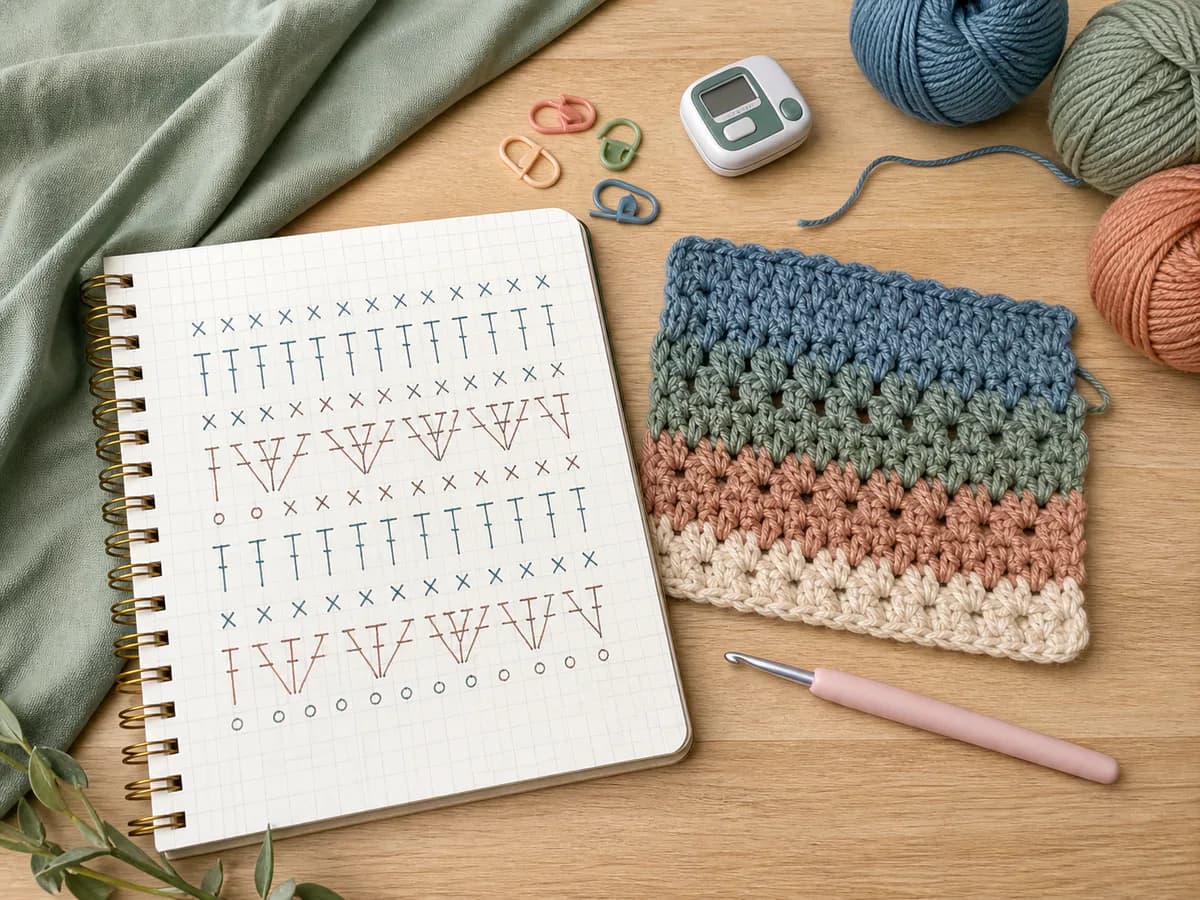
A line-by-line method for decoding crochet abbreviations, repeats, parentheses, brackets, stitch totals, turning chains, rounds, and multi-size instruction groups.
Materials and supplies
- Smooth light-colored worsted yarn
- 5 mm ergonomic hook
- Two locking stitch markers
- Tape measure
- Yarn needle and scissors
- Printed or digital pattern plus pencil for marking repeats
Crochet terms used
Worked examples in How to Read a Crochet Pattern: Abbreviations Explained use standard US crochet terms: ch, sl st, sc, hdc, dc, inc, dec, st(s), row, and round. The pattern-abbreviation guide expands that notation.
Read the information before row 1
Identify terminology region, yarn, hook, gauge, finished measurements, special stitches, and whether turning chains count. Circle every instruction that changes for your selected size.
Decode one sample row
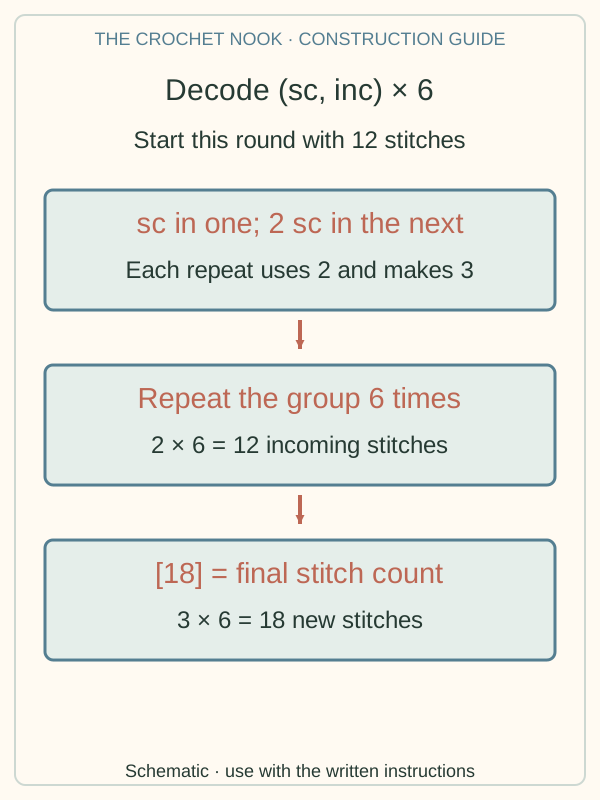
Example round: Start with 12 stitches. “(Sc, inc) 6 times. [18]” means one sc in the next stitch, then two sc in the following stitch. Each repeat uses two old stitches and makes three new stitches. Six repeats use all 12 old stitches and produce 18 new stitches; the bracketed total is a check, not another step.
Parentheses and brackets
Parentheses often group stitches worked into one place or show the final count. Brackets group a larger repeated sequence. Read nested instructions from the inside outward and write one expanded repeat if the structure is hard to visualize.
Multi-size numbers
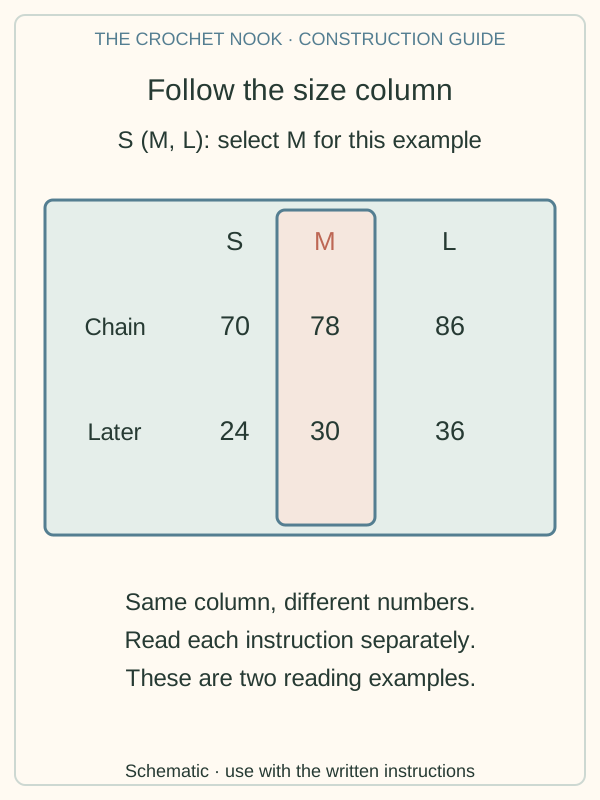
In “ch 70 (78, 86),” the first number belongs to the first listed size, the first parenthesized number to the second, and so on. Highlight one column of numbers before starting and ignore the others. For size M in S (M, L), use 78 on that chain instruction. A later instruction of “sc 24 (30, 36)” uses 30 for M. Keep the same size position, not the same stitch number.
Rows versus rounds
Rows turn unless told otherwise. Joined rounds finish with a slip stitch; continuous rounds do not join and require a movable marker. Check which method is intended before placing color changes.
Read the next two lines before completing the current line. This reveals whether a turning chain, increase, or fasten-off instruction affects what follows.
Tips & troubleshooting
Test one variable at a time
When applying the advice in How to Read a Crochet Pattern: Abbreviations Explained, change only hook, yarn, tension, or stitch placement before making the next comparison. Several simultaneous changes make it difficult to learn which correction worked.
Keep evidence beside the project
Label swatches and photograph important checkpoints. The recommendations in this guide become more reliable when paired with your measurements and the yarn's care label; keep both beside How to Read a Crochet Pattern: Abbreviations Explained while working.
Stop before forcing a result
If the fabric, fit, or construction from this guide disagrees with your sample, pause at the earliest measurable checkpoint in How to Read a Crochet Pattern: Abbreviations Explained. Undoing a short section is safer than disguising a structural problem at finishing.
Frequently Asked Questions
What skill level should I have?
This guide is planned for an absolute beginner crocheter. Practice any unfamiliar stitch separately and read the complete construction in How to Read a Crochet Pattern: Abbreviations Explained before beginning.
Can I change the yarn or hook?
For the reading exercises, smooth light-colored yarn helps you see which stitch each instruction uses. For a finished project, follow that pattern's own gauge and materials rather than the practice supplies in this guide.
May I sell the finished item?
Small-scale sales of finished items from this guide are allowed with credit to How to Read a Crochet Pattern: Abbreviations Explained. Do not copy, sell, or republish the written instructions or site images.
Keep exploring
To build on How to Read a Crochet Pattern: Abbreviations Explained, continue with Best Crochet Hooks and Yarn for Beginners: Buying Guide, Common Crochet Mistakes and How to Fix Them, How to Crochet for Absolute Beginners. For a broader route through the site, use the Ultimate Free Crochet Pattern Library.
Essential crochet guides
Maker notes
Questions or finished-project notes?
Share what helped, ask about a step, or leave a thoughtful note for the next maker.
Loading maker notes...